
Gigantic Turnouts and Studio Mastery Define the New Card Era

The landscape of professional tournament play underwent a seismic shift over the last month, as record-breaking attendance in the Czech Republic and clinical dominance in the Nevada desert signaled a new peak for the industry. While the community often focuses on individual hands or high-stakes drama, the recent results from the 2026 World Series of Poker Europe and the ongoing PokerGO Tour schedule suggest that the game is growing faster and becoming more centralized than analysts previously predicted. The narrative is no longer just about who wins, but about the massive scale of the prize pools and the evolving infrastructure of the tour itself.
The standout story emerged from the Hilton Prague, which hosted the 2026 WSOP Europe Main Event. By relocating the festival from its traditional home in Rozvadov to the heart of the Czech capital, organizers managed to tap into a massive well of international travel and local participation. The decision to lower the entry fee to €5,300 proved to be a masterstroke, transforming a formerly exclusive high-stakes gathering into a massive continental festival that shattered every previous attendance record for an open event in the region.
Breaking Down the Record-Setting Prague Main Event
When the final registration period closed, the numbers were staggering. A total of 2,617 entries were recorded, creating a prize pool of €13,085,000. This far exceeded the initial €10 million guarantee and dwarfed the 870 entries seen just three years prior. The champion of this historic field was Lithuania’s Marius Kudzmanas, a player who had already established himself as a digital powerhouse but had yet to secure a signature live victory of this magnitude. Kudzmanas claimed a €2,000,000 top prize along with his third career gold bracelet.
Kudzmanas’s path to victory was a clinic in modern tournament strategy. He faced a final table that included some of the most feared names in the modern game, including American high-stakes regular Chris Hunichen and several top European qualifiers. The Lithuanian’s performance was characterized by a fearless approach to “hero calling” and an uncanny ability to navigate high-variance situations. Below is a detailed look at how the final table concluded and the payouts awarded to the top finishers:
| Final Rank | Player Name | Country | Prize Money (EUR) |
|---|---|---|---|
| 1st Place | Marius Kudzmanas | Lithuania | €2,000,000 |
| 2nd Place | Akihiro Konishi | Japan | €1,380,000 |
| 3rd Place | Chris Hunichen | United States | €800,000 |
| 4th Place | Nikolay Bibov | Bulgaria | €575,000 |
| 5th Place | Brandon Sheils | United Kingdom | €415,000 |
| 6th Place | Hengtao Zhu | Finland | €310,000 |
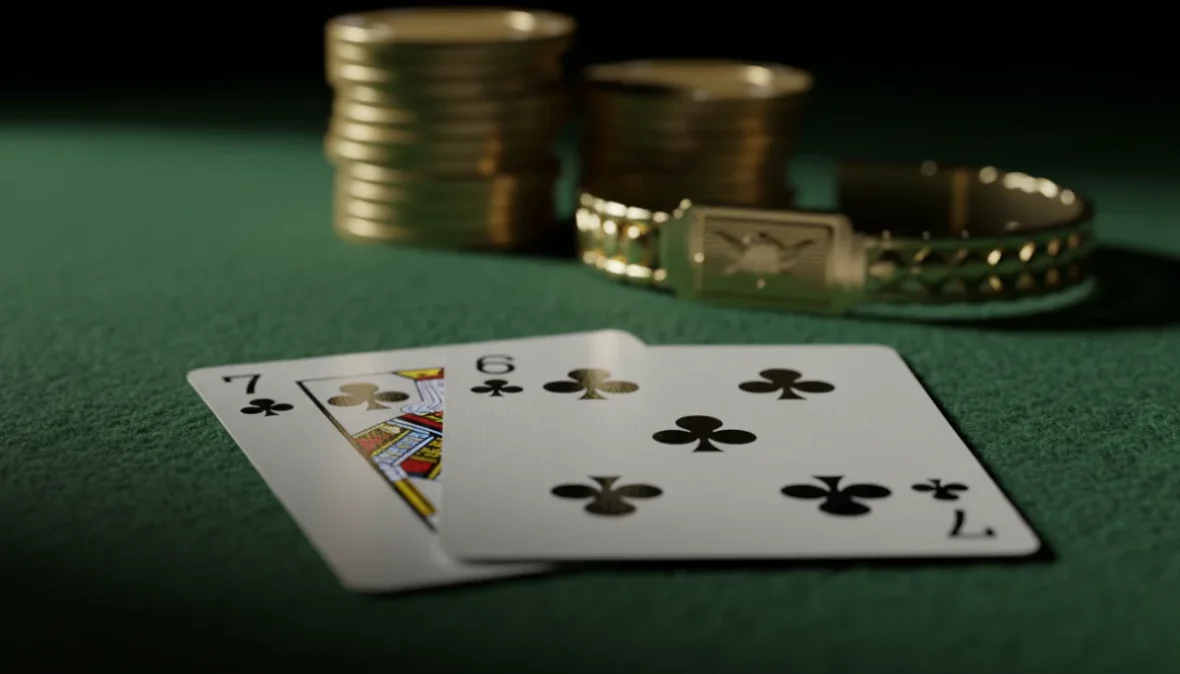
The heads-up battle against Japan’s Akihiro Konishi was particularly intense. Konishi, who earned his first seven-figure live cash, put up a resilient defense, but he could not overcome the momentum Kudzmanas had built. In the final hand, Kudzmanas managed to crack Konishi’s pocket kings for the second time during the final table session, sealing the victory with a set of sevens. Following his win, the champion noted that his familiarity with high-pressure online environments allowed him to remain calm despite the massive prize money on the line.
A New Strategic Hierarchy in the Global Rankings
The success of the Prague event has immediate implications for the 2026 Player of the Year (POY) standings. This year marks the debut of the unified $1,000,000 POY competition, a restructured race that incentivizes players to compete across three distinct global festivals. By winning the Main Event in Prague, Kudzmanas has not only padded his bankroll but has also taken a massive lead in a race that will conclude later this winter.
The unified POY structure is designed to reward consistency across the following major stops:
- WSOP Europe (Prague): The spring leg that serves as a high-volume opening for the international circuit.
- WSOP Las Vegas (Summer): The flagship series featuring 100 bracelet events and the traditional $10,000 Main Event.
- WSOP Paradise (Bahamas): The winter finale where the ultimate champion will be crowned and the $1,000,000 bonus distributed.
This organizational shift has successfully forced North American professionals to look toward Europe with more urgency. Historically, many top-tier US players would skip the European leg, but the added weight of the POY race and the €39.5 million in total prizes distributed in Prague has changed that calculus. Even the specialized categories are seeing growth, evidenced by Anna Eggenberger’s win in the Ladies Championship, which drew nearly 200 players—the largest field of its kind ever seen on European soil.
Domestic Dominance at the PokerGO Studio
While the European market was expanding, the high-stakes scene in Las Vegas remained centered on the PokerGO Studio at ARIA. Brock Wilson has become the dominant storyline in the United States, putting together a run of results that many are comparing to the most legendary heaters in the tour’s history. Wilson’s victory in the $5,000 No-Limit Hold’em opening event of the US Poker Open marked his third major PGT win in just thirty days.
Wilson’s success is a testament to the “flow state” that many professional players strive to achieve. After winning the overall PokerGO Cup series title in March, he carried that confidence directly into the US Poker Open. Wilson noted in post-game interviews that his current streak has allowed him to trust his intuition more deeply, making difficult hero folds and aggressive bluffs with a higher degree of accuracy. With ten events on the US Poker Open schedule ranging from $5,000 to $25,000, Wilson has established himself as the man to beat for the series trophy and the accompanying $25,000 passport bonus.
The technical proficiency shown by players like Wilson in these small-field, high-buy-in events provides a sharp contrast to the massive fields in Prague. While Prague is about navigating through thousands of amateur and semi-pro players, the PokerGO Tour is a laboratory for the highest level of theoretical play, where every mistake is exploited by a field composed almost entirely of world-class specialists.
Looking Ahead to the Summer Bracelet Season
As the spring events conclude, the focus of the entire industry shifts toward the Las Vegas Strip for the 2026 summer series. Beginning May 26, the Horseshoe and Paris Las Vegas will host a massive 100-event schedule. This year is particularly notable because it returns to the “delayed final table” format for the Main Event, a move intended to build mainstream media tension and allow for a more polished broadcast product. also, the integration of digital play remains a priority, with 30 gold bracelets being contested on the official online platform alongside the live schedule.
Beyond the tournament floors, significant corporate movements are changing how players access the game. The recent retirement of the legacy PokerStars software in the United States in favor of the FanDuel Poker platform represents a major consolidation of resources. This move is expected to streamline the player pool and provide a more strong interface for casual users, potentially leading to even larger prize pools in the domestic online market. Meanwhile, global operators like GGPoker continue to push the envelope with massive promotional giveaways, currently totaling $15 million for the month of April alone.
Whether it is the historical turnout in the Czech Republic, the individual brilliance of Brock Wilson in Las Vegas, or the structural changes to online platforms, the state of the game in 2026 is one of aggressive expansion. The barriers between the European and American markets are thinning, and the players who can adapt to this new, unified global circuit are the ones who will define the next decade of the sport. As the summer approaches, all eyes remain on the leaderboard to see if Kudzmanas can maintain his advantage or if the established Vegas regulars will reclaim their territory.
