
Gonzo’s Quest and the Slot Standard It Set

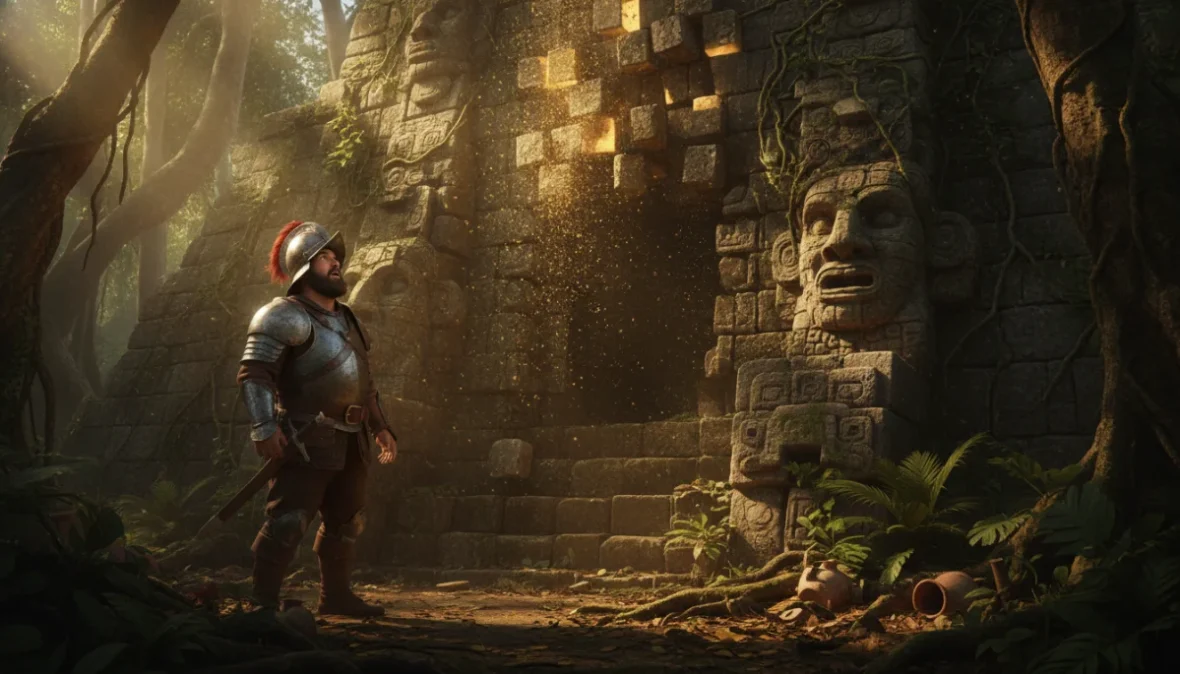
If an online slot still dominates years after release, it usually means it changed the format rather than merely joining it. Gonzo’s Quest did exactly that, and its avalanche-style gameplay helped define what modern video slots now feel like.
Released by NetEnt in 2010, the game looks old on paper, but its design still feels current because it transformed a basic spin into a chain of reactions.
Why This Slot Still Gets Played
The main reason Gonzo’s Quest remains so visible is that it offers a stronger rhythm than a traditional reel game. Instead of one spin ending in one result, a win can trigger another round of action immediately, which keeps the pace moving and the player engaged.
That structure gives the game a sense of momentum that many newer titles still try to copy. It also creates a more satisfying feedback loop because every successful hit can lead directly into the next chance to win.
The Avalanche Mechanic Changed Everything
Before this release, many slots relied on the standard spin-and-stop format. Gonzo’s Quest replaced that model with falling stone blocks, now widely recognised as the Avalanche Feature or Cascading Reels mechanic.
When a winning combination lands, the winning symbols disappear and new ones drop into place. That means one paid spin can produce several outcomes without the player paying again for each extra sequence.
This was more than a visual trick. It changed how players experienced time, suspense, and reward during a session.
What Makes the Experience So Sticky
The slot works because it combines simple rules with strong anticipation. The first win matters, but the possibility of a follow-up chain is what keeps attention locked in.
That design creates three advantages:
- Continuity because the action does not reset after every hit.
- Suspense because each collapse can lead to another win.
- Value perception because the same spin can produce multiple results.
How It Influenced Modern Slots
The impact of Gonzo’s Quest can be seen in many later releases that use similar cascading systems and chain-reaction mechanics. The article you provided specifically connects it to modern games such as Sweet Bonanza and Gates of Olympus, which reflects how widely the idea spread across the industry.
In practical terms, the game helped establish a new expectation: players began to want more than a single static spin. They wanted motion, follow-through, and the sense that one result could open the door to several more.
Why the Character Still Matters
Gonzo himself is part of the game’s staying power. His look, personality, and treasure-hunt theme give the slot a memorable identity that is easy to recognise even years later.
Many slots can offer flashy effects, but fewer create a character that players remember instantly. That strong theme makes the mechanics feel like part of an adventure rather than a mathematical sequence.
The Real Reason It Still Feels Relevant
Gonzo’s Quest remains relevant because it hit the right balance between innovation and clarity. The game introduced a new way to play without making the rules hard to understand, which is one reason it still feels approachable today.
In a market crowded with bonus buys, Megaways systems, and advanced visuals, its older framework does not feel dated so much as foundational. It became one of the games that other developers had to answer, not ignore.
What Players Take Away From It
The legacy of the game is easy to summarise in player terms:
- It made slot rounds feel more dynamic.
- It proved that a strong feature could matter more than sheer complexity.
- It showed that older formats could still compete if the core idea was original enough.
That is why Gonzo’s Quest is still discussed as a benchmark. It did not just last; it helped define the standard that many online slots still follow.
