
How Montreal Cracked Carolina in Game 1

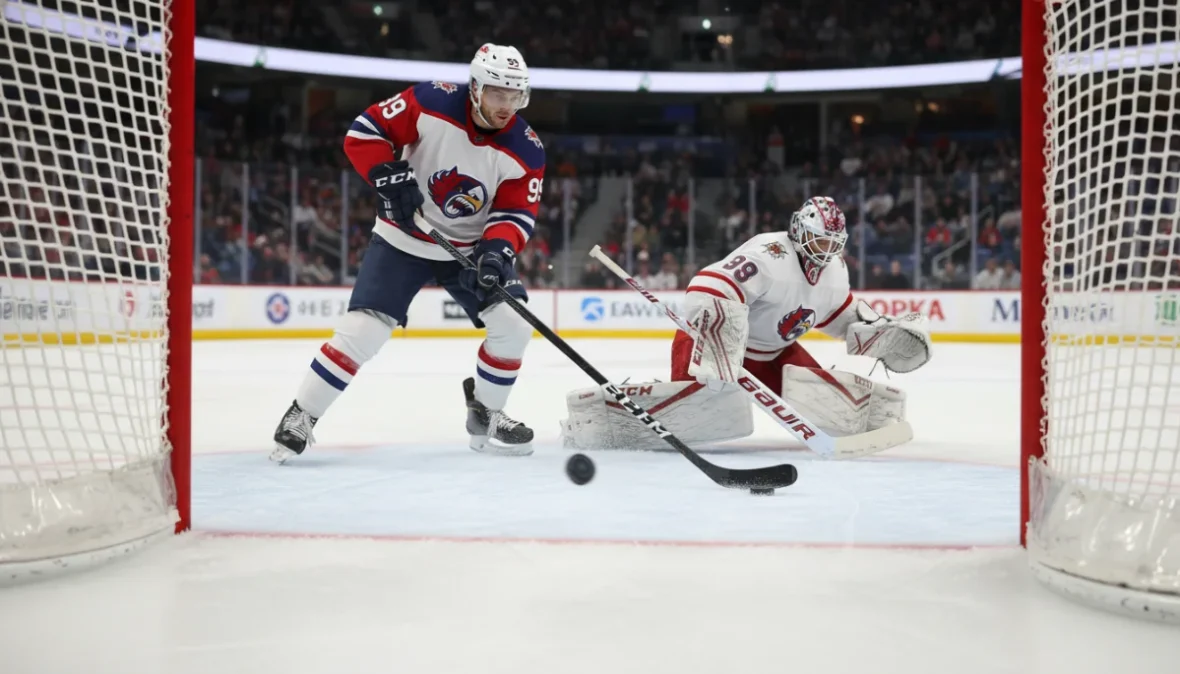
The Carolina Hurricanes had looked almost untouchable through the opening two rounds of the 2026 Stanley Cup Playoffs. They arrived at the Eastern Conference Final with an 8-0 record and the kind of calm that only comes from overwhelming success. Montreal, by contrast, came in worn down but hardened by pressure, having survived consecutive Game 7s on the road. What unfolded in Raleigh was not a close battle that swung on a bounce. It was a full-scale Canadiens takeover, capped by a 6-2 result that instantly changed the feel of the series.
That opening game worked as a sharp reminder that playoff hockey rarely stays loyal to the script. Carolina had the rest, the structure and the home crowd. Montreal had urgency, pace and a clear read on where the cracks might appear. In the end, the team that had spent the previous week surviving found a way to turn Carolina’s comfort into a liability.
The opening flurry changed everything
Carolina struck first and briefly made the building feel like an extension of its early-round dominance. Seth Jarvis scored 33 seconds into the first period, giving the Hurricanes the sort of start that usually settles a series opener. For a moment, it looked as if Montreal would be forced to chase the game from the outset. Instead, the Canadiens answered with the poise of a group that had already been through the fire.
Cole Caufield restored balance almost immediately, and once the equalizer went in, the game tilted hard. Phillip Danault then jumped on a clean transition play from Alexandre Carrier and scored on a breakaway, turning a tidy response into a lead. Montreal’s next wave arrived just as quickly, with Alexandre Texier adding another marker to stretch the advantage. Before Carolina could reset its defensive structure, the Canadiens had already taken full command.
The most damaging moment of the period came from Ivan Demidov, whose breakaway finish made the score 4-1. The rookie did not merely beat Frederik Andersen; he made the play look effortless, which is exactly the kind of confidence-draining goal that can unravel a top-seeded team. By the time the horn sounded, Carolina had allowed four goals in under 12 minutes, a stunning collapse for a club that had not surrendered more than two goals in a game all spring.
Why the matchup favoured Montreal more than expected
The popular pre-game storyline centred on rest versus rust, and that frame was not wrong, but it was incomplete. Yes, Carolina had enjoyed an unusually long layoff, while Montreal had been forced into a playoff sprint with little recovery time. Yet rest only helps if a team returns sharp. On this night, the Hurricanes looked a step slow in their reads, a beat late on loose pucks and uncharacteristically vulnerable when the game opened up.
Montreal understood that Carolina’s defensive pressure would be relentless. Rod Brind’Amour’s group is built to squeeze opponents, force rushed decisions and keep play pinned in the offensive zone. The Canadiens did not try to outmuscle that identity. They beat it with speed, quick support passes and clean exits through the middle of the ice. Once they escaped the first layer of pressure, the open ice behind Carolina’s pinching defencemen became a highway.
That approach mattered because it turned the Hurricanes’ aggression into a risk. Every time Carolina pressed a little too far, Montreal found room to counter. Instead of getting trapped in long shifts against a tiring forecheck, the Canadiens repeatedly attacked before the Hurricanes could get set. The result was a string of odd-man rushes and breakaways that forced Carolina to defend in the least comfortable way possible.
A simple tactical pattern with brutal results
Montreal’s game plan did not need to be flashy to be effective. It needed to be precise. The Canadiens moved the puck quickly, kept their support close and used smart timing to break the first wave of pressure. That meant fewer wasted touches along the boards and more controlled carries through the neutral zone. It also meant Carolina’s most aggressive defencemen had to make difficult choices, and many of those choices left gaps.
One way to see the shift is to compare how the two clubs handled transition:
| Area of Play | Montreal | Carolina |
|---|---|---|
| Zone exits | Fast, clean, and centred through support | Slower, pressured, and often disrupted |
| Neutral-zone play | Quick strikes into open ice | Turnovers and late recoveries |
| Chances created | Several high-danger looks off the rush | Limited by poor execution at the blue line |
| Defensive posture | Structured and composed | Stretched and reactive |
That table tells the story cleanly: Montreal did not need to dominate possession for long stretches. It needed only enough structure to turn Carolina’s pressure against it. Once the Hurricanes started losing races back through the middle, their familiar system stopped looking powerful and started looking exposed.
Goaltending told the rest of the story
Frederik Andersen entered the series carrying elite playoff numbers and the reputation of a goalie who had been nearly impossible to solve. Through the first two rounds, he had been one of the main reasons Carolina looked so secure. Game 1, however, was a rough exception. Montreal’s early barrage left him facing too many clean looks, too many rush chances and too little protection.
He ultimately allowed five goals on 21 shots, which is less a reflection of poor individual form than of a night when the structure in front of him failed. When a goalie is forced into repeated breakaway pressure, even the best numbers can disappear in a hurry. Carolina’s skaters did not offer him enough cover, and that made every Montreal opportunity feel dangerous.
Jakub Dobes had the opposite experience. He gave up the first goal, but he did not let it become a defining moment. Instead, he settled in, stopped 24 of 26 shots and kept Carolina from building any true momentum after the opening shift. That kind of response mattered as much as any goal, because it prevented the Hurricanes from cashing in on their own pressure during the middle stages.
What the goaltenders faced in Game 1
- Andersen saw repeated rush chances after defensive breakdowns.
- Dobes dealt with pressure but maintained his composure after the opening goal.
- Montreal’s chances were higher quality and more direct.
- Carolina’s looks became harder as the game opened up and the score widened.
Montreal finished with conviction
Carolina tried to claw back into the game with an Eric Robinson goal, but the Canadiens never let the moment become dangerous. Juraj Slafkovsky answered with two third-period goals, including an empty-netter that confirmed the final margin and underlined Montreal’s control. By then, the game had shifted from tense playoff drama to a statement victory.
Nick Suzuki quietly drove much of the offence with three assists, linking the lines and keeping Montreal’s attack moving with intelligence rather than chaos. His performance reflected the broader Canadiens identity on the night: calm under pressure, fast when space appeared and disciplined enough to punish mistakes without overreaching.
Afterward, Suzuki sounded satisfied but not surprised. That distinction matters. Montreal did not play like a team carried away by one wild night. It played like a club that had identified a path and executed it with purpose. That is often what separates a strong upset from a lucky one.
What this means before Game 2
Carolina will not stay disjointed for long. A Rod Brind’Amour team almost never accepts one bad outing without adjustment, and the Hurricanes still have the deeper body of work from the regular season and the first two playoff rounds. Their response in Game 2 will likely be more urgent, more physical and more careful with puck management. Montreal knows that, which is why the Canadiens were careful to keep their tone measured after the win.
The historical context also adds a strange edge. The Hurricanes have struggled badly in the Eastern Conference Final under Brind’Amour, and that trend now sits alongside a fresh reminder that early-series momentum can disappear quickly. At the same time, similar upsets elsewhere in the bracket have shown that even the favourites are vulnerable when Game 1 goes sideways.
For now, Montreal has done something more valuable than win a single road game. It has forced Carolina to question assumptions about control, rest and series rhythm. That alone makes the rest of the series much more interesting.
